
Introduction
NFTs and blockchain projects offer new ways to manage digital assets, record ownership, and automate transactions. While the technology enables innovation, it also introduces risks. Participants face potential financial loss, legal uncertainty, and technical vulnerabilities.
This article explains the main risks and challenges associated with NFTs and blockchain projects. Topics include scams, market volatility, regulatory considerations, technical limitations, and strategies to manage exposure.
Understanding Risks in NFTs
NFTs are blockchain-based tokens that represent ownership of digital items. Risk arises because ownership does not guarantee asset value, access rights, or authenticity outside the blockchain record.
Market Volatility
NFT prices fluctuate based on demand, popularity of creators, and general market conditions. Unlike traditional assets, NFT markets are less liquid, which can result in sudden price swings.
- Rapid buying and selling can lead to losses.
- Pricing is influenced by trends rather than fundamentals.
- Liquidity varies between collections and platforms.
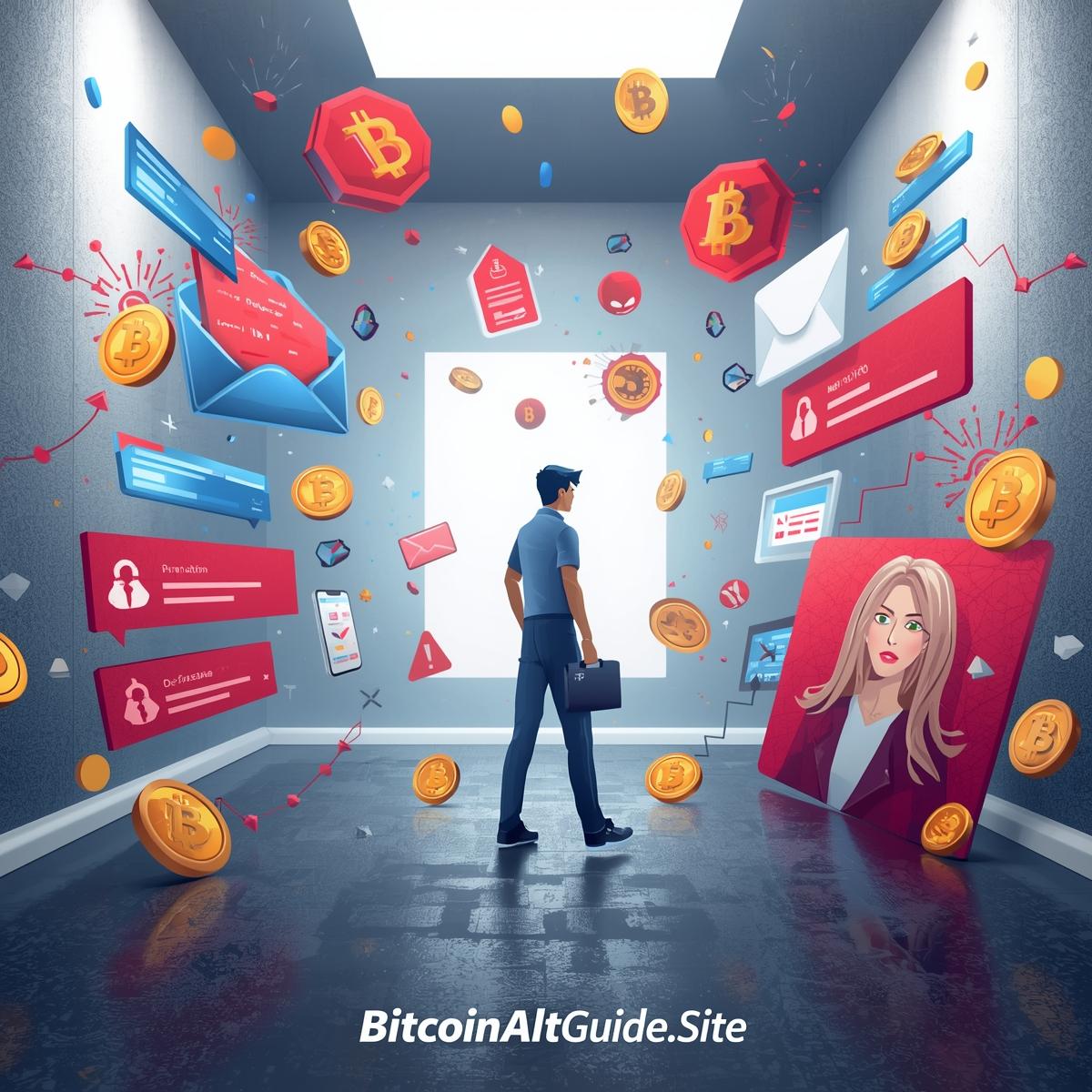
Scams and Fraud
NFT scams take multiple forms:
- Phishing: Malicious websites or messages trick users into revealing wallet keys.
- Fake Projects: NFTs may be sold from copied or non-existent collections.
- Rug Pulls: Developers abandon projects after collecting funds.
- Pump and Dump: Coordinated price manipulation inflates value temporarily.
Impersonation and Fake Accounts
Fraudsters often imitate creators or marketplace accounts. Buyers may purchase NFTs believing they are authentic when they are not.
Verification of contract addresses and official accounts reduces exposure.
Blockchain Project Risks
Beyond NFTs, other blockchain-based projects also involve risk. These include decentralized finance platforms, gaming ecosystems, and enterprise solutions.
Smart Contract Vulnerabilities
Smart contracts automate blockchain functions. Bugs or flaws can result in:
- Unauthorized asset access
- Loss of funds
- Incorrect execution of terms
Even audited contracts may contain hidden errors.
Network and Consensus Risks
Blockchain networks rely on consensus protocols to validate transactions. Risks include:
- Forks or network disruptions
- Delayed confirmations
- Potential 51% attacks in smaller networks
These risks can affect both NFTs and other blockchain assets.
Oracles and Data Dependency
Some projects depend on external data sources (oracles). Inaccurate data can trigger incorrect contract execution, affecting trades, payments, or asset verification.
Technical Complexity
Blockchain technology involves complex processes:
- Wallet management
- Transaction signing
- Key storage
User mistakes can result in permanent loss, as transactions cannot be reversed.
Legal and Regulatory Considerations
Legal frameworks for blockchain and NFTs are evolving. Lack of clarity creates uncertainty for users and creators.
Intellectual Property Rights
NFT ownership does not automatically grant copyright or reproduction rights. Buyers may only own the token representing the asset, not the underlying content rights.
Tax Obligations
NFT sales may be taxable. Tax rules vary by jurisdiction and may include:
- Capital gains
- Sales tax
- Income reporting requirements
Failing to comply may result in penalties.
Regulatory Compliance
Regulators monitor token issuance and trading. Projects may face restrictions if classified as securities or financial instruments. Users should track local regulations.
Security Challenges
Security is a critical concern in blockchain projects.
Wallet Security
Users control assets through private keys. Losing keys or exposing them to malware results in permanent loss.
- Hardware wallets reduce exposure.
- Regular key backup and recovery measures are necessary.
Marketplace Security
NFT marketplaces facilitate transactions but do not store assets directly. Security risks include:
- Account hacks
- Unauthorized listing or approval
- Fake NFT claims
Marketplace users must verify addresses and transactions.
Cross-Chain Risks
Some NFTs and assets move across networks via bridges. Bridge failures or hacks can result in asset loss.
Market Risks
NFTs and blockchain projects are subject to market risk, including:
- Price volatility of cryptocurrencies used for purchases
- Limited liquidity for certain tokens or NFTs
- Dependence on community interest and engagement
Managing Risk in NFTs and Blockchain Projects
Effective risk management reduces exposure and supports responsible participation.
Research Before Investment
- Verify project legitimacy
- Review smart contract addresses
- Confirm creator and team activity
- Check audits and public reports
Start Small
Testing new platforms with limited funds reduces potential loss and allows learning without major exposure.
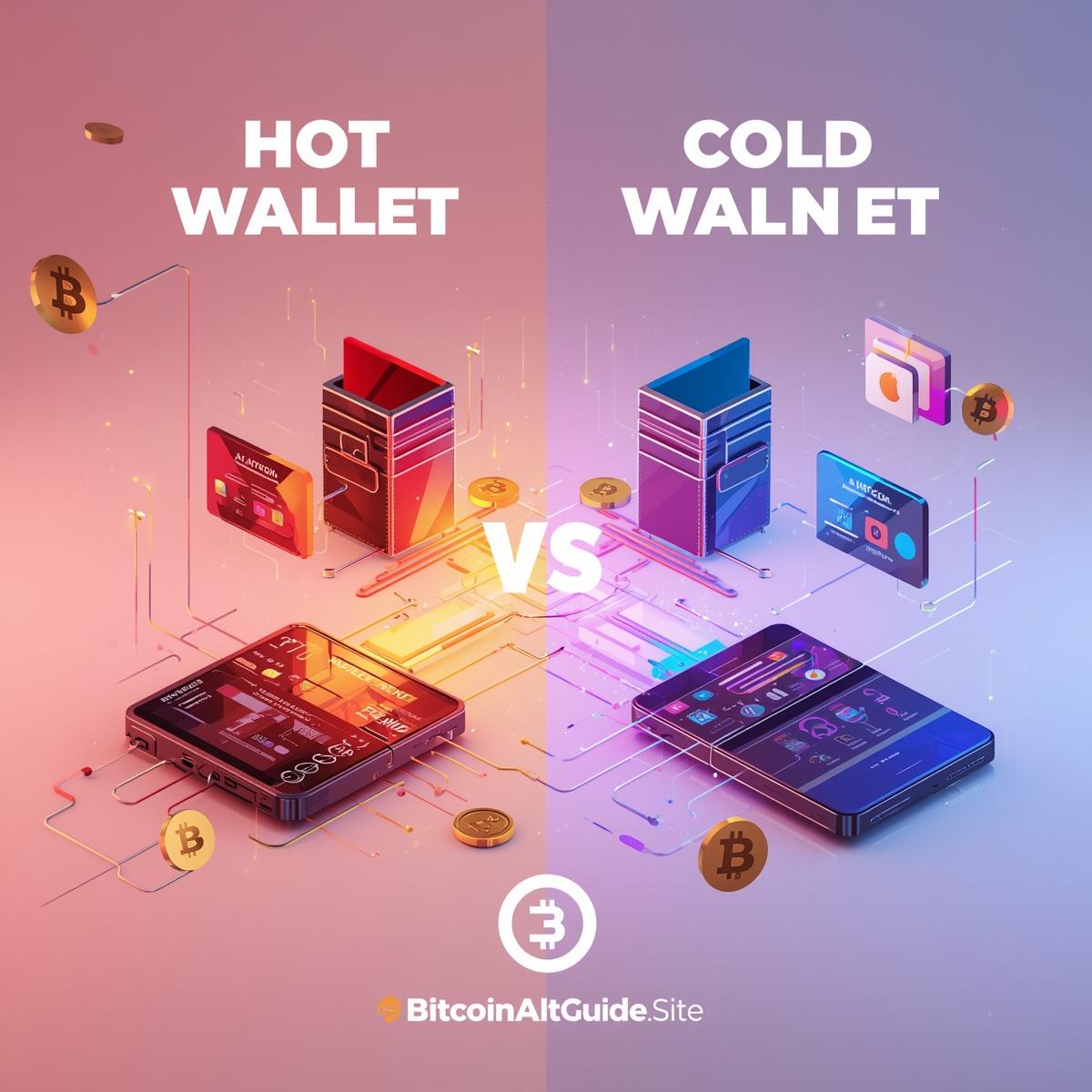
Use Secure Wallets
- Hardware wallets prevent online attacks
- Avoid sharing private keys
- Regularly review wallet approvals
Diversify Holdings
Holding assets across multiple projects or types reduces dependency on a single project’s performance.
Monitor Projects
Regularly track project updates, governance decisions, and community activity. Early awareness of changes helps avoid negative outcomes.
Legal Compliance
- Consult tax and legal advisors
- Maintain transaction records
- Understand intellectual property implications
Common Pitfalls to Avoid
- Following trends blindly without research
- Approving contracts without reviewing permissions
- Storing all assets in a single wallet
- Ignoring platform security updates
- Misunderstanding ownership rights associated with NFTs
Learning and Education
Understanding blockchain principles, smart contracts, and NFT mechanics is essential. Education reduces errors and allows informed decisions.
Emerging Solutions
- Insurance Protocols: Some platforms provide coverage for hacks or smart contract failure.
- Verified Marketplaces: Platforms with verification processes reduce fraud exposure.
- Decentralized Identity Systems: Projects using secure digital identity help ensure user authenticity.
Future Considerations
As blockchain adoption increases:
- Regulatory frameworks will evolve
- Security standards may improve
- Market liquidity and maturity may increase
- Smart contract verification tools will become common
Participants should remain informed to navigate changing conditions.
Responsibility of Participants
NFT and blockchain users assume responsibility for assets. Unlike traditional finance, there is no centralized recourse for errors. Understanding systems, risks, and security measures is essential.
Conclusion
NFTs and blockchain projects provide new ways to manage digital assets, interact with decentralized platforms, and automate processes. However, they carry risks including scams, volatility, legal uncertainty, technical vulnerabilities, and security challenges. Responsible participation requires research, careful management, legal awareness, and continuous monitoring. Understanding these risks helps participants engage with NFTs and blockchain projects safely and effectively.

Leave a Reply