
Introduction
NFT marketplaces are platforms that allow users to buy, sell, and trade non fungible tokens. These platforms connect creators and buyers through blockchain based systems. Transactions occur through smart contracts and require digital wallets.
Using NFT marketplaces involves financial and security responsibility. Unlike traditional platforms, transactions are final once confirmed on chain. Understanding how marketplaces work and how to use them safely helps reduce risk.
This article explains NFT marketplaces, how buying and selling works, how OpenSea and Rarible function, and how users can follow security practices while trading NFTs.
What Is an NFT Marketplace
An NFT marketplace is an online platform that lists non fungible tokens for sale or trade. The marketplace provides an interface for browsing NFTs and interacting with smart contracts.
Marketplaces do not store NFTs themselves. NFTs remain on the blockchain. Marketplaces facilitate discovery and transaction execution.
Users interact with marketplaces through wallets rather than accounts.
How NFT Marketplaces Work
NFT marketplaces connect wallets to smart contracts.
The basic process includes:
- User connects a wallet
- Marketplace reads NFT data from blockchain
- User selects an NFT
- Transaction request is sent
- Blockchain confirms transaction
- Ownership record updates
Marketplaces display data but do not control assets.
Custodial vs Non Custodial Marketplaces
Most NFT marketplaces are non custodial. Users retain control of assets.
Custodial marketplaces manage assets on behalf of users.
Non custodial systems reduce reliance on platform trust.
Overview of OpenSea
OpenSea is an NFT marketplace that supports multiple blockchain networks.
It allows users to:
- Buy NFTs
- Sell NFTs
- Create listings
- Mint NFTs through tools
OpenSea supports wallet based access.
How OpenSea Works
OpenSea reads NFT data from blockchain networks. Listings reference token contracts.
When a sale occurs, smart contracts execute ownership transfer.
Users pay network fees for transactions.
OpenSea charges a platform fee per sale.
Buying NFTs on OpenSea
The buying process on OpenSea follows these steps:
- Connect wallet
- Browse NFT listings
- Select NFT
- Choose purchase method
- Confirm transaction in wallet
- Wait for blockchain confirmation
Ownership updates after confirmation.
Selling NFTs on OpenSea
Selling NFTs involves listing tokens for sale.
The process includes:
- Select NFT from wallet
- Choose listing type
- Set price or auction terms
- Approve contract access
- Confirm listing
When a buyer completes purchase, funds transfer automatically.
Auction Types on OpenSea
OpenSea supports fixed price sales and auctions.
Auctions allow bidding over time.
Smart contracts enforce auction rules.
Overview of Rarible
Rarible is an NFT marketplace with governance features.
Users can buy, sell, and mint NFTs.
Rarible supports community participation through governance tokens.
How Rarible Works
Rarible operates through smart contracts on supported blockchains.
Users connect wallets and interact directly.
Listings reference token contracts.
Transactions execute through blockchain confirmation.
Buying NFTs on Rarible
The buying process mirrors other marketplaces:
- Connect wallet
- Select NFT
- Review listing details
- Confirm purchase
- Approve transaction
Ownership updates on chain.
Selling NFTs on Rarible
Selling involves creating a listing.
Users define:
- Sale type
- Price
- Duration
Approval allows contract interaction.
Sales complete automatically when conditions are met.
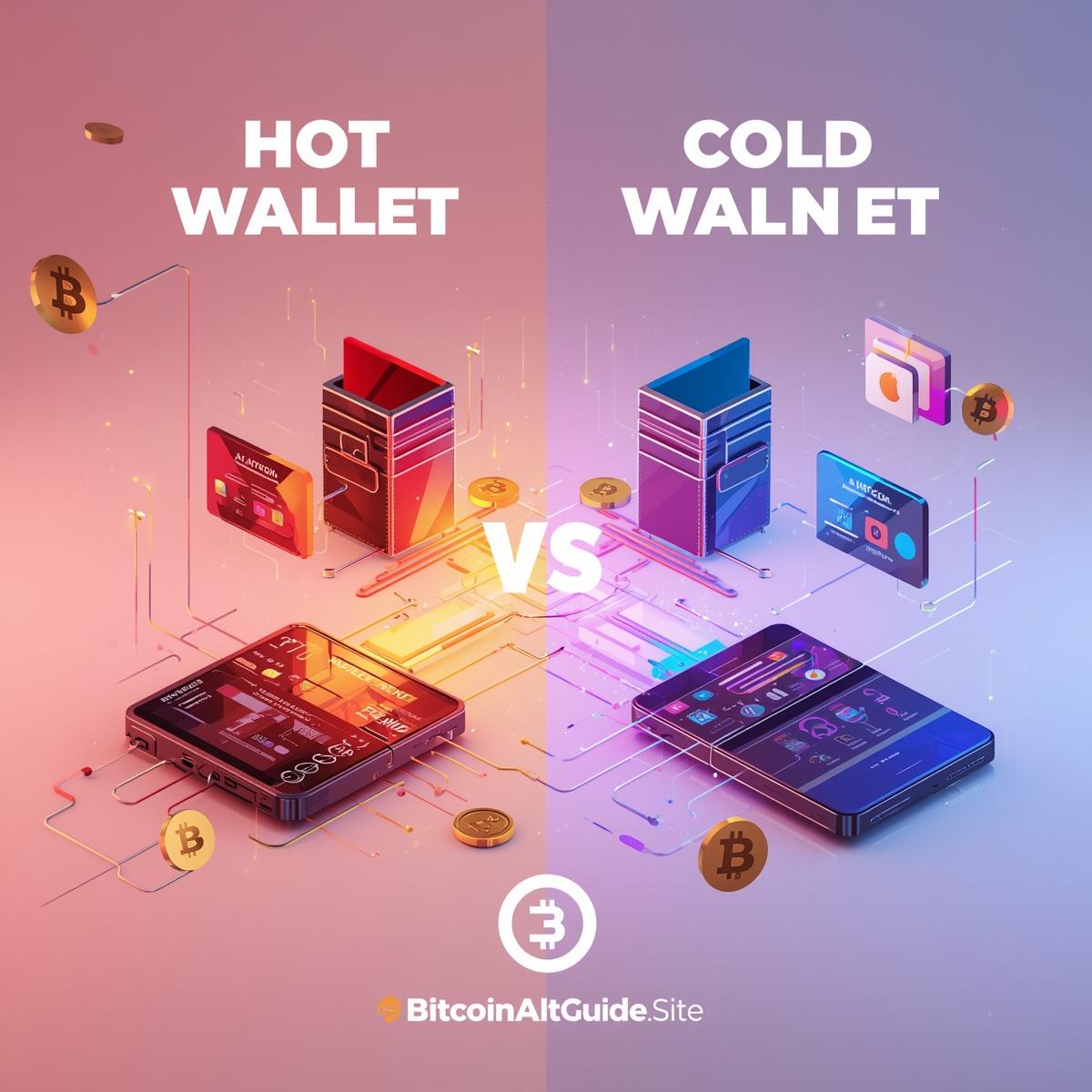
Wallets Used for NFT Marketplaces
NFT marketplaces require compatible wallets.
Wallets store private keys.
Common wallet functions include:
- Signing transactions
- Viewing NFTs
- Managing approvals
Wallet choice affects network support.
Understanding Listing Fees and Royalties
Marketplaces charge platform fees.
NFTs may include creator royalties.
Royalties distribute part of sale value to creators.
Fee structure varies by platform.
Primary vs Secondary Sales
Primary sales occur during first sale from creator.
Secondary sales occur between collectors.
Royalties often apply to secondary sales.
Security Risks in NFT Marketplaces
NFT marketplaces involve security risk.
Risks include:
- Phishing attempts
- Fake listings
- Malicious contracts
- Wallet compromise
Understanding risk reduces exposure.
Phishing Scams in NFT Trading
Phishing attempts try to steal wallet access.
Methods include:
- Fake websites
- Fake messages
- Imitation accounts
Users should verify URLs and sources.
Fake NFT Listings
Fake listings copy existing NFTs.
Buyers may purchase tokens that lack value or legitimacy.
Verifying contract addresses reduces risk.
Malicious Smart Contracts
Some contracts request excessive permissions.
Approving such contracts allows asset control.
Reviewing transaction details is essential.
Wallet Approval Management
Wallet approvals allow contracts to manage NFTs.
Users should review approvals regularly.
Revoking unused approvals improves security.
Safe Buying Practices
Safe buying practices include:
- Verifying creator accounts
- Checking contract addresses
- Reviewing transaction prompts
- Avoiding unsolicited links
Patience reduces mistakes.
Safe Selling Practices
Safe selling practices include:
- Using official marketplace sites
- Confirming listing details
- Reviewing fees
- Avoiding off platform deals
Direct wallet interaction reduces risk.
Using Hardware Wallets
Hardware wallets store keys offline.
They reduce exposure to malware.
Hardware wallets add a security layer.
Network Fee Awareness
NFT transactions require network fees.
Fees vary by network demand.
Understanding fee impact supports cost control.
Market Volatility and Pricing Risk
NFT prices change based on demand.
Liquidity varies by collection.
Pricing decisions involve uncertainty.
Storage and Display of NFTs
NFT images often display through external services.
Blockchain stores ownership records.
Content hosting depends on storage method.
Intellectual Property Considerations
NFT ownership does not always grant usage rights.
Rights depend on license terms.
Buyers should review terms.
Reporting and Support Limitations
NFT marketplaces offer limited recovery options.
Transactions cannot be reversed.
User caution is essential.
Marketplace Account Safety
Although wallets control access, marketplace accounts may exist.
Using authentication methods improves safety.
Account protection complements wallet security.
Learning Before Trading NFTs
New users should explore marketplaces without transactions.
Understanding interface and processes reduces errors.
Practice builds familiarity.
Regulatory Considerations
Regulations vary by region.
Some regions impose tax obligations.
Users should track transactions.
Long Term Use of NFT Marketplaces
Marketplace tools evolve.
New features may change interaction flow.
Staying informed supports safe usage.
Responsibility in NFT Trading
Users manage funds and decisions.
No central authority provides protection.
Understanding systems supports accountability.
Conclusion
NFT marketplaces allow users to buy and sell non fungible tokens through blockchain based systems. Platforms such as OpenSea and Rarible provide interfaces for discovery and transaction execution. Using these marketplaces safely requires understanding wallet interaction, smart contract approvals, and common security risks. Following structured buying and selling practices helps users reduce exposure and engage with NFT markets responsibly.

Leave a Reply